

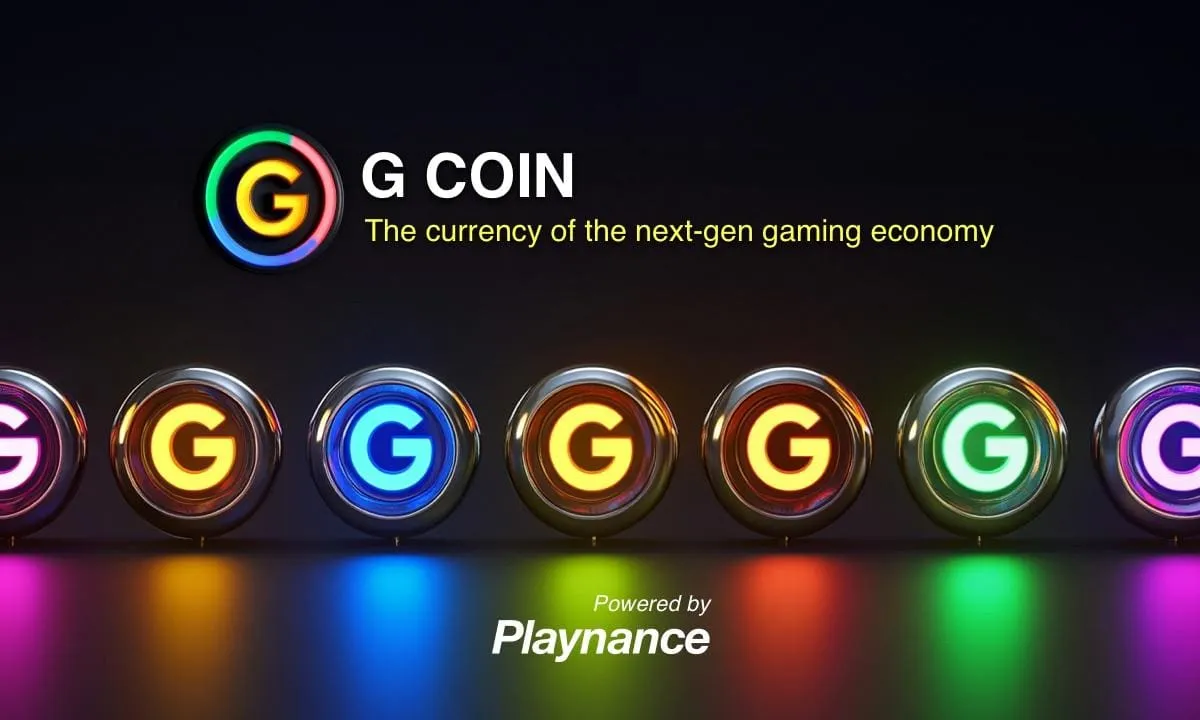

Playnance’s upcoming G Coin Token Generation Event (TGE), scheduled for March 18, is quickly becoming one of the more closely watched launches in the Web3 gaming and digital entertainment space. Unlike many token launches that appear long before a platform is ready, G Coin is entering the market backed by an ecosystem already alive with activity, from on-chain games to sports prediction markets to interactive financial platforms.
That dynamic naturally builds anticipation. With more than 200,000 holders already participating in the ecosystem and millions of on-chain interactions occurring across the network, the March 18 launch feels less like the beginning of a project and more like the moment its economic engine officially switches on. For observers across the blockchain gaming sector, the event signals something increasingly rare in crypto launches: a token debut tied to a platform already operating at scale, positioning itself to expand even further as the global Web3 entertainment market continues to grow.
A Token Launch Backed by Existing Adoption
One of the more notable aspects of the G Coin launch is that the token is entering the market with a sizable user base already in place. According to Playnance’s public tracker, more than 200,000 users already hold G Coin, with approximately 13 billion tokens distributed during the presale phase.
At the same time, the token approaches its Token Generation Event with an estimated $38 million market capitalization.
Unlike many Web3 projects that distribute tokens before launching operational platforms, Playnance reports that its ecosystem has already been processing significant daily activity. This structure suggests the token economy is forming around an existing network rather than anticipating one.
While long-term market dynamics will depend on adoption and continued ecosystem growth, the early metrics indicate that the project has already built a base of participating users.
The Role of G Coin Across the Playnance Ecosystem
Within the Playnance network, G Coin functions as the unified utility token powering activity across its platforms.
The token is designed to facilitate:
Rather than serving as a single-purpose digital asset, G Coin connects multiple elements of the Playnance ecosystem. These include on-chain games, sports prediction environments, and other interactive financial platforms operating within the network.
Industry observers increasingly note that tokens with clear in-platform use cases tend to build more durable communities over time, although outcomes ultimately depend on sustained user engagement.
Infrastructure Behind PlayBlock
Behind the token sits PlayBlock, Playnance’s blockchain infrastructure designed to support high-volume digital interactions.
The system enables:
Gasless transactions are particularly notable in gaming environments, where users frequently perform micro-interactions. By removing transaction fees from the user experience, platforms can more closely resemble traditional Web2 environments while still maintaining blockchain-based ownership and transparency.
Playnance has stated that its goal is to reduce friction for mainstream users entering blockchain environments while maintaining the security and decentralization principles associated with Web3 infrastructure.
A Growing Digital Entertainment Ecosystem
The Playnance ecosystem itself operates across a network of digital entertainment platforms. According to company data, the infrastructure currently supports:
-
More than 300,000 registered accounts
-
Over 30 integrated game studios
-
More than 10,000 on-chain games
Operational activity within the network is also significant. Platforms built on Playnance reportedly process around 2 million on-chain transactions each day, while enabling interactions with more than 2.5 million sports events annually.
Taken together, these figures illustrate a system designed for high-frequency engagement. Within that environment, G Coin functions as the transactional backbone supporting interactions across gaming, sports predictions, and digital participation platforms.
Revenue and User Incentives
Recent developments within the ecosystem suggest that the network is already generating financial activity beyond token distribution.
Playnance reported earlier this year that its “Be The Boss” program has distributed more than $2 million in real cash payouts to participants, while the broader ecosystem generated over $5.3 million in total revenue.
Although these figures remain modest compared to some larger blockchain gaming networks, they indicate that the platform’s activity has begun translating into measurable economic outcomes.
From an industry analysis standpoint, the presence of both revenue generation and user payouts often signals that a platform’s internal economy is beginning to stabilize.
Understanding G Coin’s Tokenomics
G Coin operates within a fixed supply model capped at 77 billion tokens, with no additional minting planned.
Playnance has also introduced structured supply mechanisms designed to manage circulating tokens over time.
Tokens lost during gameplay are locked for 12 months before returning to circulation, based on their original loss date. Meanwhile, any tokens that remain unsold during the Token Generation Event will be subject to a 12-month cliff followed by a 24-month linear vesting schedule.
These mechanisms are intended to moderate token availability and help regulate supply dynamics as the ecosystem grows.
While tokenomics structures alone cannot guarantee stability, carefully managed supply models are often viewed as an important component of long-term token sustainability.
Playnance’s Vision for Web3 Entertainment
Founded in 2020, Playnance positions itself as a Web3 infrastructure company focused on building consumer-facing blockchain platforms designed to onboard mainstream users.
The company develops non-custodial products operating on shared wallet systems and high-volume blockchain execution. Across its ecosystem, the infrastructure currently processes approximately 2 million transactions per day.
With the launch of G Coin, Playnance is formalizing the economic layer connecting its digital entertainment infrastructure—including gameplay, sports events, prediction markets, and partner platforms—into a unified on-chain ecosystem.
Playnance CEO Pini Peter emphasized the importance of launching the token within an already active network.
“On March 18, G Coin will enter the market with real adoption already in place. With more than 200,000 holders and millions of daily on-chain interactions, G Coin introduces a usage-driven token economy designed to grow alongside its expanding global community. There are many other surprises on the way to take the entertainment world to the next level, stay tuned.”
The statement highlights the company’s focus on building a usage-driven ecosystem rather than launching a token ahead of platform activity.
Looking Ahead
As the March 18 Token Generation Event approaches, G Coin will move from presale distribution into broader market circulation.
What follows will likely depend on continued ecosystem expansion, partner integrations, and user adoption across the Playnance network.
From an analytical standpoint, the project represents an interesting example of how Web3 entertainment platforms may evolve by combining gaming, prediction markets, and digital financial interaction under a shared token economy.
If participation across the network continues to grow, G Coin could eventually play a central role within a broader on-chain entertainment infrastructure.
For now, the upcoming launch offers a closer look at how utility-driven token models are beginning to take shape in the next phase of Web3 development.
If this article, video or photo intrigues any copyright, please indicate it to the author’s email or in the comment box.